Professional General Contractor in Des Moines IA
What to Look for in a General Contractor: A Guide to Successful Renovation Projects
Picking the right general contractor is essential for a successful renovation. It entails examining their experience, credibility, and communication skills. A contractor's track record and verified credentials can significantly impact the project's outcome. Furthermore, understanding how to establish a clear contract can avert future disputes. With so many factors to weigh, it's crucial to know what to prioritize and why each element matters. What should come next in your selection process?
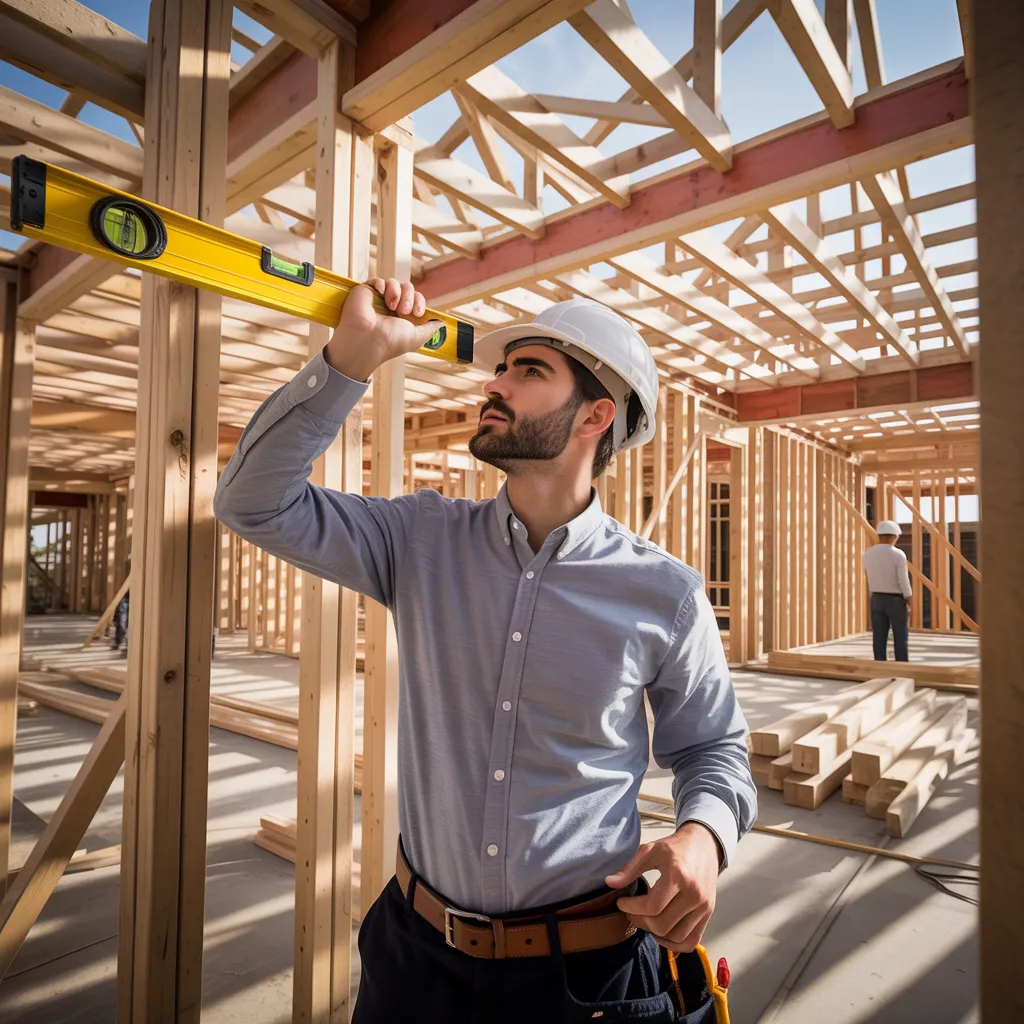
How Experience Impacts Your Contractor Selection
When choosing a general contractor, experience serves as a fundamental pillar of dependability. An established contractor's comprehensive field experience typically reflects expertise in diverse construction methods and troubleshooting capabilities. Such comprehensive expertise allows them to address surprise complications competently, keeping delays and expenditures to a minimum.
Moreover, veteran contractors typically hold a robust network of material providers and subcontractors, which can lead to better project execution and possibly improved pricing on materials. Their expertise with local building codes and regulations further enhances their competence to oversee projects without regulatory issues.
Additionally, a contractor's portfolio of past projects exhibits their work quality and style, enabling clients coordinate their vision with the contractor's capabilities. At its core, hiring an experienced general contractor can significantly influence the success of a renovation or construction undertaking, building confidence and peace of mind throughout the procedure.
How to Check If Your Contractor Is Legit?
In what ways can homeowners verify their selected contractor is legitimate? One effective approach to confirm a contractor's legitimacy is checking for proper licensing and insurance. Homeowners should ascertain that the contractor holds all necessary state and local licenses, which can often be verified through government websites. In addition, getting proof of insurance, including liability and worker's compensation, is crucial to shield against possible accidents or damages.
After this, homeowners should seek online reviews and testimonials from past clients, giving insights into the contractor's dependability and workmanship. Speaking with references directly can also provide valuable information concerning the contractor's professionalism and observance of timelines.
Finally, it is smart to confirm the contractor has membership in reputable trade organizations, which often necessitate adherence to ethical standards and continual education. Implementing these steps can help homeowners feel confident in their decision, minimizing the risk of encountering dishonest contractors.
What Defines an Effective Project Manager in Renovations?
An effective renovation project relies on the effectiveness of its project manager, who plays a significant role in coordinating various aspects of the job. An effective project manager possesses robust organizational capabilities, allowing them to manage timelines, budgets, and resources efficiently. They must communicate transparently with contractors, suppliers, and clients to guarantee everyone is coordinated and updated. Problem-solving abilities are critical, as unexpected challenges often arise during renovations, requiring swift, effective resolutions.
Additionally, a comprehensive understanding of construction processes and regulations is vital, permitting the project manager to manage compliance and quality standards. Leadership competencies are equally important, as they must motivate and guide the team while fostering a collaborative environment. Lastly, adaptability is vital, as project managers must adjust plans and strategies as situations evolve. To recap, a successful project manager combines organization, communication, problem-solving, and leadership to propel renovation projects to completion successfully.
Understanding Contractor Pricing: How to Budget for Your Renovation
When planning a renovation budget, comprehending contractor pricing is essential. This entails learning about different pricing models, identifying potential hidden costs, and comparing estimates from various contractors. A thorough grasp of these elements can significantly impact complete project costs and outcomes.
Comprehending Pricing Structures
Comprehending contractor pricing is essential for homeowners beginning a renovation project, as it directly affects the overall budget. Contractors typically operate under various pricing models, including fixed-price, cost-plus, and time and materials. A fixed-price model provides a set total cost for the entire project, offering budget certainty. Conversely, the cost-plus model requires the homeowner paying for materials and labor, plus a percentage for contractor fees, which can lead to unpredictable expenses. The time and materials approach charges for actual labor hours and material costs, making it suitable for projects with uncertain scopes. Homeowners should assess each model's strengths and potential disadvantages to determine which aligns best with their financial goals and project needs.
Overlooked Costs to Consider
When planning a renovation budget, homeowners must be conscious of hidden costs that can significantly impact the overall expenditure. Commonly ignored, these expenses can include permit charges, unexpected structural repairs, and material upgrades. Moreover, homeowners should account comprehensive guide for costs for temporary housing if the renovation renders their home uninhabitable. Utility modifications, such as increased electrical or plumbing requirements, may also emerge. The timeline of the project can influence costs, especially if delays lead to additional labor fees. Furthermore, homeowners should prepare for potential design changes that may happen during the renovation process, which can further increase the budget. By foreseeing these hidden costs, homeowners can develop a more accurate financial plan, ultimately providing a smoother renovation experience.
Evaluating Contractor Quotes
How might homeowners effectively evaluate contractor estimates to guarantee they keep within budget? First, they should gather multiple estimates from several contractors to gain a thorough overview of pricing. Each estimate should specify labor, materials, and timelines to facilitate a direct comparison. Homeowners must also be cautious of substantially low bids, which may signal subpar quality or hidden costs.
Assessing each contractor's track record and previous projects can give insight into the value provided at each price point. Moreover, talking about the scope of work and any potential changes with contractors can help clarify estimates. Finally, understanding the breakdown of costs will allow homeowners to make educated decisions and choose a contractor that aligns with their budget and project goals.
The Importance of References and Portfolio in Your Selection Procedure
In choosing a general contractor, reviewing their past work through a comprehensive portfolio is necessary. Client testimonials deliver insight into the contractor's trustworthiness and quality of service, while reviewing project diversity can reflect their adaptability to different challenges. These elements collectively improve the decision-making process for potential clients.
Significance of Past Work
The relevance of past work in picking a general contractor is essential. A contractor's portfolio serves as a visual representation of their competencies, highlighting completed projects that reveal their methodology, quality, and attention to detail. This body of work permits potential clients to assess whether the contractor's experience matches their specific renovation objectives. In addition, reviewing a contractor's previous projects can show their ability to address various challenges, such as budget constraints and demanding timelines. References also play a vital role, as they give insight into the contractor's professionalism and dependability. Jointly, past work, including a detailed portfolio and dependable references, furnishes homeowners with the essential information to make an informed decision about their renovation partner.
Verifying Consumer Reviews
What understanding can client testimonials supply during the contractor selection process? They work as a critical resource for prospective clients, providing firsthand accounts of a contractor's dependability, quality of work, and communication skills. Good testimonials can highlight successful projects, display the contractor's problem-solving abilities, and demonstrate their commitment to customer satisfaction. Alternatively, negative feedback may uncover potential red flags, such as missed deadlines or poor workmanship. By examining a contractor's references, clients develop a more detailed understanding of what to expect. Moreover, a well-curated portfolio, reinforced by client testimonials, boosts credibility and supplies evidence of the contractor's experience in multiple types of renovations. Ultimately, testimonials can steer informed decision-making, securing a successful partnership.
Analyzing Project Range
Evaluating the variety of a contractor's past projects is essential for comprehending their capacity to handle different types of renovations. A contractor's portfolio should showcase a variety of completed jobs, from kitchen remodels to major additions. This diversity shows versatility and expertise in diverse styles and materials. Additionally, references from past clients can provide insight into the contractor's ability to manage diverse projects effectively. When reviewing a contractor, prospective clients should ask about specific challenges encountered in previous jobs and how they were handled. This information can reveal troubleshooting skills and reliability. In the end, a diverse portfolio paired with strong references will facilitate a more informed decision, confirming the selected contractor can meet specific renovation needs effectively.
How to Develop Open Dialogue With Your Contractor
Building open communication with a contractor is vital for the success of any construction project. To achieve this, clients should set clear expectations from the beginning. Scheduled regular meetings can help ensure that both parties remain aligned on project goals, timelines, and any emerging concerns. It is also beneficial for clients to ask questions and seek clarification on technical aspects, fostering an environment of transparency.
Leveraging multiple communication tools—such as phone calls, email, and project management platforms—can further enhance dialogue. Clients should also provide constructive feedback and express concerns without delay, enabling timely resolutions.
Additionally, encouraging honesty about obstacles or delays can avoid misunderstandings and strengthen trust. By establishing a culture of open communication, clients and contractors can jointly navigate the intricacies of the renovation process, finally leading to a more successful and satisfying outcome for all involved.
Setting Up a Well-Defined Contract: Key Features for Your Renovation
A clear contract serves as the groundwork for a effective renovation project, defining the expectations and responsibilities of both the client and the contractor. Essential components to incorporate are a detailed project scope, identifying materials, timelines, and payment schedules. This eliminates misunderstandings and confirms all parties are aligned. Additionally, incorporating clauses for changes or unexpected issues can defend both sides from potential disputes.
Warranty provisions and guarantees for workmanship and materials should be explicitly stated as well, providing assurance to the client regarding the quality of the renovation. Insurance and licensing details are vital to safeguard against liabilities during the project.
Finally, including a termination clause allows either party to exit the agreement under defined circumstances, providing clarity in case of unexpected events. By addressing these elements, the contract becomes a complete guide that facilitates a smooth renovation process.
Popular Questions
How Can I Assess a Contractor's Reliability and Credibility?
To evaluate a contractor's credibility and dependability, one should check references, examine past projects, verify insurance coverage and licenses, check online reviews, and judge communication skills during initial consultations, ensuring transparency and professionalism throughout the experience.
What Action Should I Take if My Contractor Falls Behind Schedule?
When a contractor fails to meet deadlines, the homeowner should express concerns in a direct manner, ask for a revised timeline, and record all interactions. If issues persist, reviewing contract terms or looking into alternative solutions may prove essential for project completion.
What Red Flags Should You Look Out for During a Renovation?
In the course of a renovation, red flags encompass frequent delays, poor communication, poor workmanship, unlicensed subcontractors, and insufficient project documentation. Recognizing these indicators can reveal potential issues with the contractor's reliability and professionalism.
How Can I Manage Disputes With My Contractor?
To handle disputes with a contractor, you should maintain clear communication, document all interactions, assess the contract terms, and seek mediation if needed. Keeping professionalism can result in a more amicable resolution for everyone involved.
Which Insurance Coverage Should My Contractor Maintain for My Project?
A contractor should carry general liability insurance, workers' compensation, and, if applicable, professional liability insurance. These cover potential damages, injuries on site, and errors in project execution, delivering financial protection for everyone involved.